A Post For Writers: If Someone Wants You to Change Something About Your Books, Should You Do It?

I have included this information in this video if you would rather listen to it:

For those who prefer reading, let’s get to it. 🙂

Regardless of what you write, there’s probably going to come a day when someone lets you know that they want you to change something about your book. Once upon a time, I did do some write-to-market books, and I think if you are writing to market, then you need to be more willing to accept this feedback IF this person represent the audience you are writing for. If you are writing for passion, then you have a lot more flexibility because you are your primary audience.

Let’s consider the factors that go into making the decision on whether to change things or not:

1. Is the person a fan of the genre you’re writing in?

If the person isn’t a fan of the genre, they might think they know what to best do for that genre when the truth is, they really don’t. Only someone who is a fan of the genre understands why people love that genre. Understanding why people love the genre is key. They will be reading your book through the lens of what makes the genre great.

For example, I was recently taking to a Historical Fiction author. She’s got talent. She’s also pretty impressive to listen to. She takes journals written in other languages and translates them to do her research on royal families who have lived in the past. (You know what? I’m going to give her a shout out in this post in case anyone reading this enjoys Historical Fiction that features royal families. So it’s fiction based on real events. She’s taken some liberties to craft her stories. Her name is Luv Lubker. This is her website.) The problem here is that I am not a Historical Fiction reader. I am primarily a romance reader (though my second love is horror). So my advice for her was wrong because I wasn’t looking at her story through the lens of a Historical Fiction reader. I wanted the main characters to go in a certain direction that would have been great for a romance novel, but it would not have fit into the real life events she needs to build around. It took me a while to figure out I wasn’t helping her. I was only going to get in her way. So I backed off.

Now, if you come across someone who understands your genre and what makes it work for its readers, then that advice would be worth taking into consideration. I’m not saying you have to take it. Just consider it. Just because the advice might be a good rule of thumb, it doesn’t mean it works for your specific book.

2. Is the person nice or a jerk?

In my opinion, rude people don’t deserve your attention. I automatically delete and block these types of people. I don’t bother answering them. If you want to reply to them, you can. I just have never found a situation where things ended up better because I answered a rude person. For me, silence has been the better option.

I will, however, listen to the nice ones. Maybe the advice is something you don’t want to put into your book, but I would acknowledge the advice, thank the person, and politely decline if you want to keep your book as is. If you end up changing something, then I would still thank the person and then let them know what you decided to change based on their suggestions.

3. Is the person right?

If the person is nice and if the person is right, then I would seriously consider their advice.

If the person is nice but the advice is not right, then I would say no.

I go into two examples in the video, and I don’t think I was that clear on what I was getting out with the comma thing because I was just going off my notes. But essentially, the example with the comma is as follows:

Two independent clauses need to be separated by a period, a semicolon, or a word like “and”, “but”, “so”. This person thought the independent clauses should be joined together with a comma instead.

So I was writing this: “I went to the store. I bought bread.”

She thought it should be this: ” I went to the store, I bought bread.”

I do not know what they are teaching people in school today because my oldest kid thought the same thing she did. I took a look at his writing and saw the teacher was okay with all of these commas instead of putting in the period, the semicolon, or adding a word like “and” with the comma. My kid knows better now, but I don’t think I can blame this person completely on believing what she did with the commas because she probably had a teacher like the one my kid did.

I made a brief mention of an independent clause and a dependent clause but got sidetracked. Essentially, this is what I was getting at in this case:

So let’s say I write this: “I went to the store and bought bread.”

This is correct because you don’t need a comma. The subject goes for the “went to the store” and the “bought bread”.

This person thought I should write the sentence like this: “I went to the store, and bought bread.”

Again, my son would have agreed with her.

But they were wrong. So it would be wrong for me to take this advice.

(As a disclaimer, I am not an expert on grammar. I will still consult a grammar guide from time to time.)

I didn’t think of it in the video, but let’s say someone is telling you that your character should not be a certain way. Well, this is your character. Who better knows this character than you do? Maybe the character IS supposed to be that way. You will have to disregard that advice because it doesn’t fit what you intend for this character.

I’ll give an example. When I wrote Eye of the Beholder, Chapter 1 ended with the heroine’s parents shaking her hand when they were saying goodbye to her. Someone told me the parents should not be so cold. That person wanted the parents to hug my heroine and tell her how much they would miss her. But that was NOT who these parents were. These parents were cold. That was my point in writing them the way I did. So if you run into a situation like that, then you will need to go with your instincts and let the character be the way that character is.

This could go for anything in the book, of course.

Let’s say they are right, though. If they are correct, then their advice is worth considering.

For example, years ago, I remember writing the phrase “for now on…” I thought that was the right way of doing it until someone pointed out (nicely) that it supposed to be “from now on…” I have since changed to writing the phrase the correct way.

Here is another example I didn’t think about while making the video:

I’ll give an example on one of my characters where I did decide to make the change. I have some help with my first draft. I trust two people to go over it while I’m writing it to give me their thoughts. One person did not like the way the hero was acting. Since this was early on in the book, I had enough time to look at him, examine the plot, and what my goal was for him. It turned out to be very helpful. I adjusted the plot, tweaked his personality, and the story is stronger for it.

As an aside, I also decided to let a character who was never actually IN the story live so that he will get a story later in a series I’m working on. That is because one of those two readers told me they would like to see a reunion between father and son.

I do think it’s helpful to get feedback, and there are times when the changes are for the better.

4. How much work is this person asking you to do?

Unfortunately, time is a finite resource. You can’t do two things at once. In this case, you may hire someone to do that second thing for you. If you hire someone, you will need to pay them. Do you have the money for that? And if so, can they correctly do the task? Or will you need to hold their hand through it?

If you need to do this change yourself, is the change something quick? It’s easier to fix a typo or a small inconsistency issue than it is to do rewrites of your book. The more time and effort you need to spend on making someone happy, the less inclined I would be to do it. I mean, if someone doesn’t like my plot or my character (and I have already finished the first draft), I am not going to take the time to rewrite the book. When I finish the first draft, I am done. I’ll do small changes, but I won’t do big ones. Rewriting a book means I can’t write a new one, and since I write for passion, I prefer to focus on new “shiny” projects.

Now, some authors will rewrite the book. You certainly can. There is nothing wrong with that. If you want to rewrite the book because you will be happier with it, then I think that’s a good reason to invest this much time and effort into changing the book. But I’m not a big proponent of rewriting an entire book because someone out there doesn’t like it. Chances are, you can find someone who likes your book just the way it is. Taste is subjective. You will always find some people who love something that others hate. Take a look at the reviews on your favorite books and movies. You’ll find a wide range of opinions on them. It doesn’t make those books or those movies bad. It just means that those books and movies did not please everyone.

5. What do YOU think of the book?

Are you happy with it? If so, there’s no reason to change it…as long as this is a passion project. The rules of writing for passion are different from writing to market. When you are looking at passion, you have the luxury of doing things your way.

Now, if you are doing this for the market (which means you are writing books in order to make money, rather than to write stuff you love), then I would ask, “Are your sales number making you happy? Is your income where you want it to be? If you change the book to fit what the market wants, is there a chance you can make more money?” When you are writing to market, I don’t think your opinion on the book itself is the driving factor. I think the driving factor is how happy the target audience is with the book because that is who you wrote it for. I didn’t think to specify this last point in the video, so I am doing so now.

Posted in Uncategorized | Tagged , , | Comments Off on A Post For Writers: If Someone Wants You to Change Something About Your Books, Should You Do It?

March Historical Romance BookFunnel Promo

I have joined other authors on BookFunnel to run a promo where you can get free historical romance books until the end of March. There are two books I have put in this promotion, and I decided to pick one Regency and one historical western romance.

For the Regency, I picked The Rake’s Vow.

I had someone request a romance where the hero has a broken past and the heroine makes him whole with her love. The heroine is a virgin. The hero used to be a rake, so he isn’t. However, he is reformed and has taken a vow of celibacy. Given that this is a romance, and I write spicy content, we all know there’s going to be some spice.

For the historical western, I picked The Convenient Mail Order Bride

Someone else requested a mail-order bride story. The hero and heroine in this one are both virgins. The hero’s half-brother posts the mail-order bride ad on the hero’s behalf–something the hero did NOT want. When the heroine shows up, the hero doesn’t know what to do with her. This is a spicy book. There are a couple of sex scenes.

Of course, there are other great books in this promo, so I encourage you to check them out, too!

You can find the promo here at this link or by going to this url: https://books.bookfunnel.com/marchfreehistrom/ob04m6bwvu

Posted in Uncategorized | 4 Comments

Writing Income Goes Up and Down (And That’s Okay)

Well, I had intended to make this a short post, and yet, I wrote an entire book on the topic. 😀 (You can’t get me to shut up sometimes.) At least I created a video to go with it so you can listen to it instead of reading it.

Years ago, I made a post on a different blog where I mentioned the fact that writing income doesn’t always remain steady, nor does it always go up. I don’t have this post on hand anymore. I don’t remember the year I made this post, but it was at the point when my income peaked. There was a tipping point for me. Do all authors have this? My bet is no. We are all going to have different experiences. But what stuck out to me was how quick a couple of authors were to blame me for the fact that I was seeing a decline in income.

One said that I should get on Kindle boards where other authors hang out and mention my books to them. Because writers are readers, too. Yes, I understand that writers are also readers, but you can’t just market your book to anyone and expect you book to please everyone. Your best bet is to reach people who read the kind of books you write. For example, a science fiction lover probably won’t enjoy a romance. I know I don’t enjoy reading science fiction. And besides, there are divisions within a genre that narrows down the specific type of book the person will want to read. For example, if you’re thinking of marketing your historical western romance book to a person who loves contemporary billionaire romances, that person probably won’t enjoy it. There are also other factors that play into a person’s enjoyment for a book. Some people want a literary style of writing. They want flowery, poetic words. Some people want a lot of description so they feel more immersed in the world these characters are moving around in. Then there are people like me who would rather get to the dialogue and action. That’s why some books resonate more with certain people instead of others. That doesn’t mean the book is bad. It just means the book targets a different audience. There are so many nuances within the fabric of storytelling that makes it challenging to find the right kind of reader for your books. However, I do stand by my point that other writers not buying your books is not the reason you’re not making the kind of money you want to make. So I would not suggest hitting up other writers to buy your books.

Another author said I wasn’t writing good books, and therefore, I wasn’t selling. That’s fair. My books are not good to everyone. I have enough 1 and 2-star reviews proving that. The reasons I mentioned above help to point out why. I do believe there is a book for everyone. I think that whatever an author writes has an audience waiting for it. I don’t think we should think of our books as something that will appeal to everyone. I like the idea of niche marketing. This is where you narrow your focus. But to do a general marketing approach where you figure “there is something in my book for everyone, and that means everyone will enjoy it if they just give it a chance” is flawed. My suggestion, for what it’s worth, is to not worry about the people who don’t like your books. Instead, connect with people who do like your books. Find out why those people like the books. Then you can better fine-tune your storytelling to pleasing them.

Now back to the income side of things…

A lot changes in the publishing industry, and these changes can impact your income. For example, back in 2009 when I started publishing books on Amazon and Smashwords, there were very few ebooks out there. Kindle had just come onto the scene. People were buying Kindles and needed content. I put up books that were $0.99, and I didn’t have to do anything else to get noticed. I mean, I had a website, a blog, and a social media presence. I uploaded some of my books available for free on some “free ebook” websites. I honestly didn’t think I’d ever make money but still wanted to share my work with the world. But the money came. And it didn’t just come for me. There were other authors I knew who made some pretty good money back then. Then word got out across the writing community that self-publishing wasn’t where books went to die, and even traditionally published authors jumped onto the self-publishing back wagon. That meant more books. That meant lower visibility. And that’s fine. I think the more books, the better because when I was a teenager, I got upset in bookstores and libraries for not having the specific book I wanted to read. I don’t have that problem today. You can find just about anything these days. Kindle Unlimited came along in 2014, and that is an industry change that did shift income around for a lot of authors. Some did very well with it. Some didn’t. Two of my friends who were making a living at it, no longer made a living with their writing. I still made a living, but in the subsequent years, my income did steadily decline. I had some years where it would go back up, but then it dropped again. So it’s been like a rollercoaster, but I will say it never has been what it used to be.

As the industry changes, the way we promote the books is also changing. There are a lot of places where authors can run ads. Then there are the one-and-done ads, which is where you pay for the ads to run on a certain day (or days) and that’s it. Then there are keyword ads that you have to constantly adjust and watch every day. There are videos you can make. There are graphics you can create. There are podcasts, blogs, etc, etc. Really, there is no end in sight to all the different marketing strategies available to authors these days, and it would be too exhausting to go through them. Quite frankly, my strength (and my interest) isn’t in this area. I am the wrong person to look to for this stuff. If I enjoy it, I do it. If I don’t, I avoid it. Life is too short for me to spend time doing stuff I dread. I get enough of that when I have to manage my bookkeeping for tax season.

And now we are being told that no matter how much we do, it’s not enough. I’ll tackle this in other posts (and I already have tackled it before, really), but I’ll say something about it here since it does coincide with the topic. Rapid release of books used to mean getting something out once a month. Then it became twice a month. Last I heard, some author was putting out a book every week. Then I listened to an audiobook last month where the man said to make social media posts and videos all the time. Like several times a day every single day. And another author was saying if you want to make money on YouTube, you should upload one audiobook a week. Let that sink one. One complete audiobook. Every single week. I mean, all of this is crazy. When are authors supposed to have time to relax?

But I guess we aren’t supposed to relax. We’re supposed to put out more and more content because the income has to either be steady all the time or the income has to go up.

That’s a lot of pressure to put on someone. Maybe you can get by with hiring help, but the moment you hire help, you have to make more money so you can pay them and make a profit. To me, that ends up spinning the hamster wheel as much as doing everything yourself. Because when you have help, you’ll probably want to do more. And the more we do, the more we feel like we have to do. More means money. And when we’re in the mindset that we need to make money in order to be successful, we can’t afford to stop.

I hit burnout back in 2018-2019 or so because of this “more and more” mentality. I wrote through some of that burnout, but the day came when I couldn’t write anything else. My entire creative well had dried up. I had no choice but to stop. I didn’t get the ability to write with enthusiasm again until Spring 2024. I am still recovering from burnout. My income has significantly dropped, and I have had to let it drop. I don’t have it in me to fight this slide down. I’m doing good just to write again.

If you haven’t ever hit burnout, I hope you never do. It’s the worst. Seriously, nothing is worse for a writer to hate the one thing they used to be most passionate about. You feel like you lose a part of yourself when that happens. My advice is to let go of this belief that you always have to make more money in order to be worth something as a writer. Once you do that, you’re able to relax and enjoy the process of creating stories.

Posted in Uncategorized | Tagged , , , , | 2 Comments

Updates on What I’m Working On (March 10, 2025)

Video to go with the blog post so you can listen to it. (I will condense the information in the video since I did ramble like a crazy person in the blog.)

The Hero Least Likely (and the story of writer’s block that goes with it)

So I sent out emails to my email list on MailChimp, and I made a blog post in my monthly newsletter blog where I said I had finished the first draft of The Hero Least Likely.

Well, here’s the thing: I wrote those in mid-February and scheduled them to go out around March 1. At the time I wrote those, I only had 2-3 chapters left to write in that book. In the past, I haven’t had issues with getting 2-3 chapters done in two weeks. (I mean, you think after writing 101 romances, you’d get the hang of what you can and can’t do, right?)

However, there is a first time for everything, and I hit a major writer block. It wasn’t that I didn’t know what I needed to do. It’s that I didn’t want to write the climax of the story. This is a historical western romance. The romance part was easy. The action western scene I have to come up with to wrap the story up is not the least bit interesting to me. I have watched action western films, and it is painful (to me) when the gunfights come up. But I have to include the gunfight scene in this particular story because I have built up my character’s journey for it. The hero of this book can’t be the “hero” without it.

So after twiddling my thumbs with a mind that went completely blank on how I was going to come up with this scene, I went to others for advice. Some people were authors. Some were my readers. In the end, I came across a game plan that led me to do something I have never done before:

I plotted!

I think now I get how authors plot. I have never been able to grasp how authors ever successfully plotted before because all of my past attempts to plot have failed. Once I start writing, the characters have always gone off course. But in this particular instance where we are talking about a scene that I don’t want to write, the plotting method has helped. At least now I know where I am going with this.

The first thing I did was consult my husband and sons who love the western action stuff. I asked them what makes for an exciting scene. Then I took notes on stuff they liked. Then I came up with a map of the town this scene is set in. My son helped with this. I spent some time figuring out where the key characters need to be for this scene to work. After that, I listed out the stuff that needed to happen and the order it needed to happen in. One author I talked to said when she’s stuck, she will do a basic sentence for each paragraph, and then she’ll go back to flesh things out. This is what I’m doing. I have five pages worth of notes that dictate what needs to happen and who needs to do it. Today I fleshed out half a page, and it took about 1,000 words to do it. Quite frankly, I’m surprised that much got fleshed out from the notes, but at least I’m finally getting words on the paper.

I don’t know when I’ll finish this book, but at least I have a roadmap to go by. It’s a lot better than the blank screen that was in my brain for the past month. I still prefer to go by the seat of my pants while writing, and I’m hoping I never have to plot again, but in case I have to plot, I have the tools to do it.

The Earl’s Bluestocking Bride (so far, flowing smoothly–let’s hope it stays that way)

I’m at the 40,000 word mark. The big reveal about these characters’ aliases is about to come onto the page. I’m looking forward to that. It’ll be fun to watch the sparks fly.

The Preacher’s Wife (might not come out until 2026 and why I can’t set deadlines anymore, except for the holiday books)

I’m pushing this one back. All of my books are turning out to be longer than I originally plan, and this has made it harder to get a firm schedule in place on when you can expect my books to be published.

Having gone through burnout for so long (I think it was like 3-4 years total of going back and forth in burnout before I finally came out of it), I am surprised that I am so excited about writing. Happy, but surprised, too. You know?

One thing I promised myself was that I would not rush anything, and I would also focus on stuff I enjoy, whether that be writing or marketing. (I get the irony in that statement in light of how much I don’t want to write the action western scene, but that is only one scene in the entire book. I have enjoyed writing the book. I just can’t skip out on the one scene because that scene is crucial.) I would never write an entire book that I dread. That will kill all of my enjoyment for writing.

So anyway, since I have this renewed enthusiasm for writing, I’m finding that my books are longer than they have been. Typically, my books have finished at about 60,000 words. These last couple of books that I’ve been working on have been between 70,000-80,000 words. The Hero Least Likely is already at 70,000 words, and I’m not finished with it yet. The Earl’s Bluestocking Bride might finish up around 60,000, but I am at 40,000 words right now, and the big reveal hasn’t come yet. I am already 15,500 into The Preacher’s Wife, and I don’t know if I even got 1/4 of the way into this one yet. I feel like I’m still building the foundation for this story. The Wilderness Bride turned out to be about 74,000 words (when you tack on the front and back matter). These stories just seem to want to go on and on. I don’t want to rush them just to get more books out a year.

So this is what I’m going to do. I’m going to let them play out as they want to play out. If I have to go longer between book releases, I’ll go longer. When I say I don’t know when a book will be out, I’m not trying to be difficult. I really don’t know. Even when I finish the first draft, I have other people I work with, and it’s hard to say what their schedules are like. I guess I’ll know for sure when a new book will be out when the final draft is up on pre-order.

Okay, so why might I push The Preacher’s Wife to 2026? Because I am working on a holiday series this year.

The holiday series covers Halloween, Christmas, and Valentine’s.

Given how long it’s now taking me to finish a book, I am starting on the Halloween story right now. I need to start the Christmas one next month. I have no idea how long each book will take to write. It could be on the shorter side (40,000 words) or it could very well be over the 70,000-word mark. Until I’m hitting the halfway point and know what is going on with these characters, I don’t know. So I am getting a head start on this stuff before these deadlines force me to rush the books.

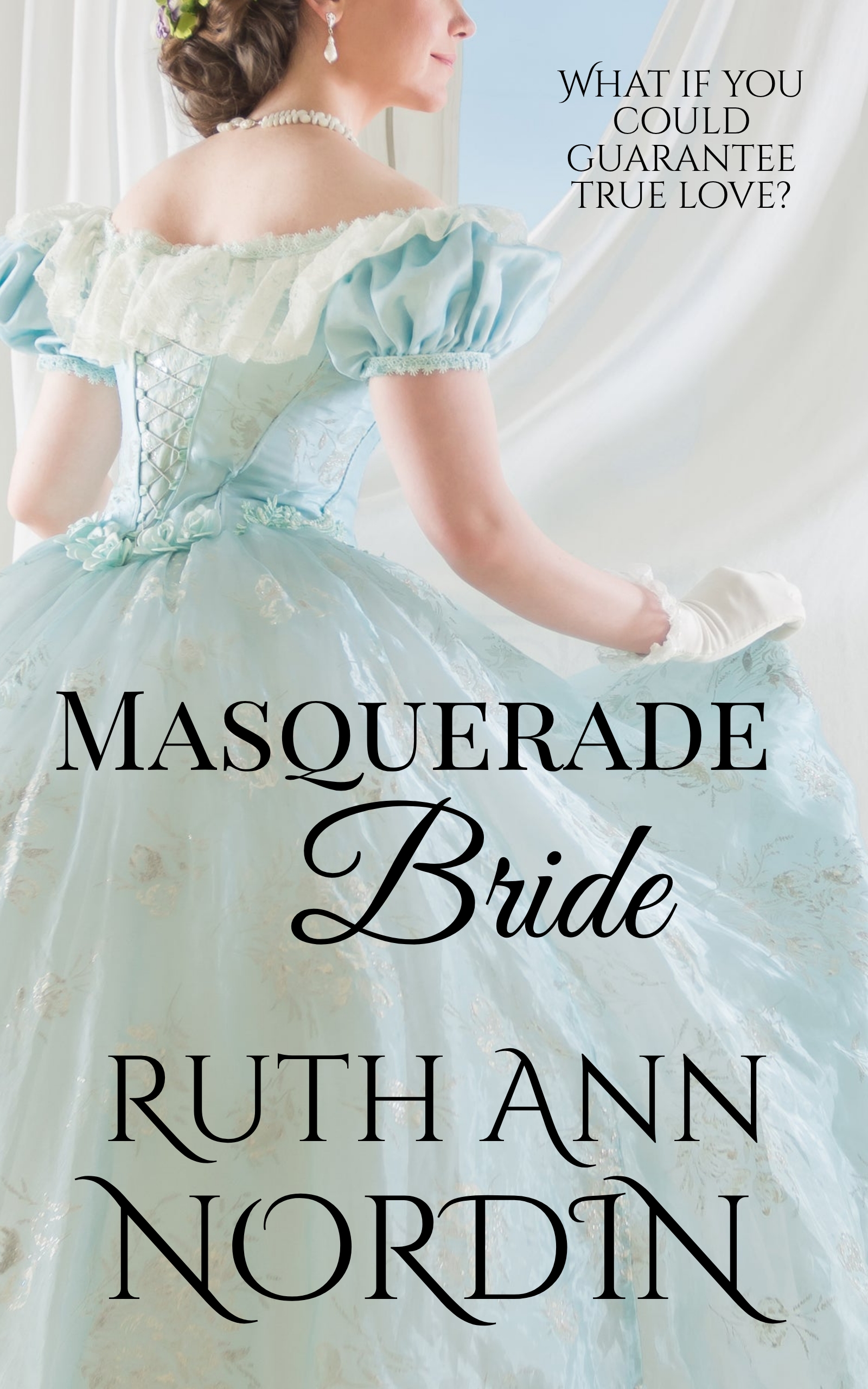
Masquerade Bride is a spin-off of the idea of “living a different life”. Kind of a “what would your life be like if you were someone else” situation.

A Wedding Carol is a spin-off of A Christmas Carol where the heroine (our “Scrooge”) will get to do the whole Christmas past, present, and future thing.

It’s a Wonderful Marriage is a spin-off of It’s a Wonderful Life where Mr. Christopher Robinson (remember him?) will get to see what life would have been like if he’d never been born. I’m really looking forward to writing about him and Agatha again. Those two were so much fun together.

I don’t expect most people to be interested in this Marriage by Holiday Series, but I’m excited about it. I kind of like doing things that are different from time to time than the standard romance. It keeps my creativity fresh.

Posted in Uncategorized | Tagged , , , , , , , | 2 Comments

Traditional vs Indie/Self-Publishing and Author Income Surveys 2023 and 2024

Today, I thought I’d take a moment to look at the realistic vision of what it means to be an author. This is based off of my conversations with a brand new author I met early last year.

Like last time, I also made videos so if you would rather listen to my (beautiful) 😛 voice instead of read the text, you can. But I’ll keep the information less of a ramble in the text.

Pros and Cons of Traditional and Indie Publishing

Basically, the best route depends on your goals and comfort levels.

Pros of Going with a Publisher

1. If you want someone else to handle the cover, the bulk of the edits, the description, the formatting, and getting them on retailers for you, then going with a publisher might be your best option. When you indie publish, you have to either do all of these tasks yourself, or you will have to hire people to do this stuff for you.

2. It is also nice to have a publisher take on your work because it validates that your work in good in someone else’s eyes.

Cons of Going with a Publisher

1. You have to make sure your book fits what the publisher wants. The publisher has to stay in business, so they will think of your book’s marketability.

2. The book will probably take longer to get out there into the world because you have to wait on their timeline to get things done.

3. Issues with intellectual property rights may arise. What happens if the publisher goes out of business? How will you get your rights back? Can you take a secondary character in this book and use it in another one to self-publish? Can you go with another publisher? What formats will they publish for you? Can you share anything from your story online and share excerpts from it? Etc, etc

Pros of Indie Publishing

You control everything. You pick the cover, the title, the content of the book, description, timing of publication, where you publish, what format your book is in, etc. (I went into a tangent about Draft2Digital being a distributor.)

Cons of Indie Publishing

You control everything, and that can be overwhelming.

Regardless of how you publish, keep in mind that:

1. You will have to promote yourself because visibility is a pain in the rear to get.

2. Keep your expectations for money realistic. (This is where I give outdated information from a Wide for the Win YouTube video that is no longer available. It is now marked private. I have made another post which I am linking to below with more current information.) However, the fact does still remain that this is not a “get rich quick” endeavor.

3. Someone will hate your book. You can’t avoid it. Whatever you do, keep yourself professional when in the public arena. Any crying, yelling, etc should be reserved for private.

4. Some people will only want free books. Don’t expect that everyone will want to buy your books. And that is okay.

5. Focus on the people who enjoy your work and connect with them. Those relationships are the best kind in the world. Don’t underestimate the value in personal connections.

Author Income Surveys 2023 and 2024

A note before we get into the numbers:

Be mindful of how much authors are really earning. These results cover gross income, not net. This is an important distinction because net is what matters. If an author makes $100,000 gross a year but spends $80,000 on ads, virtual assistants, editors, taxes, and other things, that author is really only making $20,000 profit. On the other hand, you might have an author who makes $30,000 gross a year but only spends $10,000 on expenses. So that author also profits $20,000. Profits matter more than gross. Profits allow you to pay the bills and invest.

I didn’t ramble about that on the video, but I did mention how income isn’t always just from selling books on retailers like we assume. A lot of authors making good money are selling courses, doing Kickstarter campaigns, selling directly from their website, etc. So take the “book selling” portion of their business with a grain of salt. Some really are just making money selling their books, but some are adding other things into the “six-figure income” basket.

Here is the breakdown from the Draft2Digital Blog Post Episode 128, June 15, 2023 (https://www.draft2digital.com/blog/?s=EP128)

Just over 2,000 authors participated in this survey, and these authors spent at least 50% of their time with author-related duties.

The median revenue for 2022 was $12,749.

1/4 of these authors made $0-$1,000 a year.

43.8% of these authors made over $20,000 a year.

28% of these authors made $50,000+ a year with 1/5 of that number earning “six figures”)

Now for the survey Written Word Media conducted. This post was published on Oct. 24, 2024. (https://www.writtenwordmedia.com/2024-indie-author-survey-results-insights-into-self-publishing-for-authors/)

This was a wider group of authors. I’m not sure of the exact amount. I might have missed that information in the post. I did participate in this survey. I am wide. I am not in KU at all. KU, for those who don’t know, is an exclusive program that Amazon set up for authors to make their ebooks only available on Amazon.

87.5% of authors in this survey have at least one book in KU.

Over 75% of the income reported in this survey were from authors who made their money on KU. I feel this skews the results a bit on how much authors are selling because KU is a library platform. Readers aren’t buying those books. Readers are borrowing them. KU pays authors based on pages read. Readers pay Amazon KU a subscription service and can access as many KU books as they want.

Here are the stats:

46% of authors make $100 or less a month.

17% of authors make $251-$1,000 a month

17% of authors make $2,501-$20,000 a month

It’s interesting that there’s a gap between some of those numbers, but I take it to mean they were statistically insignificant. Therefore, they weren’t worth mentioning. (Who knew that one day the three statistics classes I was forced to take in college would one day pay off because I actually understand this stuff.)

Authors whose goal is to make money, made more money. Authors whose goal is to write for enjoyment, made less money. I’m sure that shocked everyone. (I’m joking, of course.) It’s natural that authors who treat this more as a business have a better chance of making money at this thing.

Posted in Uncategorized | Tagged , , , , | 9 Comments

The Frustrating Side of Writing

For the past week, I have been having such a difficult time writing. As some of you know, I write three books at a time. I do this in hopes of being able to work on at least one book if I get stuck in one or two of them. Working on more than one book doesn’t always work, though.

Over the past couple of weeks, I have been trying to strategize how I’m going to get the main characters in The Hero Least Likely to apprehend the outlaws who are terrorizing Arizona. I realize I’m stuck on this point because I don’t plot. But I can’t plot like some authors can. Every time I have sat down to plot out a book, the story goes off the rails within a chapter or two. It’s as if the characters are saying, “We will not follow your orders, Ms. Author.” My characters are a lot like my kids. They have minds of their own and will do whatever they want. I know that sounds crazy to some people out there. I’ve heard the videos and have read the posts where other authors say, “Authors who claim that characters have a mind of their own are crazy because that mind belongs to the author.” Well, yes, it is my mind, but I swear, these characters feel like they really are separate people who will do whatever they want.

When I write, the story plays out like a movie in my head. As long as I write what is happening on the “screen”, things flow smoothly. I never know how a scene is going to play out until I’m writing it. I can guess. Sometimes I have a better idea of what I’m getting myself into when I sit at the computer, but I really never know how things will go. And this is why I’m surprised when people tell me something in my book was “predictable”. Except for the characters falling in love and ending up together, it wasn’t predictable to me. I wish I had seen this stuff coming because it would have saved me a lot of time while I waited for the characters to clue me into what they were planning.

Like this book I’m trying to finish up, The Hero Least Likely.

Not only was the cover a pain in the butt to finally get right, but now I’m at a standstill in the final two chapters. I think I only have two more chapters to go. Three at the most. I should have known when I had to go back and rewrite part of the beginning that this was going to be one of those books that is painful to write. I know where I need to end up, but I don’t know how to get there. I’ve been creating a map in my head of this town and laying out where the key characters need to be. I know there is one character who will be tied up. Another is going to need help with the rescue. Then there’s one who has to end up saving them all–not outright saving the day but doing enough so that these outlaws will finally be arrested.

I think a lot of my frustration comes from the fact that I am not an “action” kind of writer. These scenes are not that interesting to me. This is like a western movie. While the grasp of the time period is good to see, I honestly am not a big fan of western action-packed films unless it’s heavily laced with romance. Which most are not. But the plot demands I do this. And the characters are not helping me figure out what to do in order to get past this block.

The worst part is that since I’m stuck here, my creativity took a huge nosedive. It’s impacting my ability to write the other two books I’m working on.

Ironically, I’m not stuck in these other two books. I know what the characters want, though I am hitting a crucial element in The Earl’s Bluestocking Bride. I have to get the right balance between teasing the reader about the “big reveal” while satisfying the romantic requirements that come before “the big reveal”. In The Preacher’s Wife, I have figured out the hero–his motivation for what he does and what he most wants. But now I have to start layering the foundation for the romance between him and the heroine so that they fall in love before I disrupt their world. I don’t know why, but because I can’t finish The Hero Least Likely, I am unable to proceed with the other two books.

I think I have to step away from all writing in order to see things more clearly. So I’m going to do that. I was originally hoping to have The Hero Least Likely out in May, but that might not even happen at the rate things are going. This will push back the other books as well. I really need to get started on the Marriage by Holiday Series because those books need to come out for Halloween, Christmas, and Valentine. I don’t have the luxury on delaying those. I’m thinking The Preacher’s Wife will have to take a bit of a backseat.

One of the myths about storytelling is that it’s easy. Don’t get me wrong. Sometimes it is. Sometimes the words just flow. But there are other times when it’s like pulling teeth every single step of the way to get something out, and when that happens, it can block all other creative efforts.

I’m not going to force this. I would have forced it in the past, and that helped lead to burnout. One thing I promised myself when I got back into writing was that I would never do things that lead to burnout ever again. I’m slowly learning what things trigger burnout. Forcing one’s way into finishing a story that isn’t ready to be done is one of them. Doing things you hate for a long period of time is another one. Rapid releasing is another way to burnout. This isn’t just rapid releasing for books. It is rapid releasing for anything–like blog posts, social media posts, ads, and videos.

If you’re going to survive this writing thing for the long run, you have to do stuff you love and you have to spend time doing stuff you enjoy. I am tired of chasing the latest marketing trends. I am tired of trying to sell books. All I want to do is write them. I want to have fun with this. I love blogging. I love being on Facebook with people who have become my friends over there, though I do get drained when I put myself out there too much on social media. It takes a lot of me to be socially “on” with others. The truth is, I’m an introvert who is pretty awkward in social situations. I feel like what I say is stupid, but I realize I have to put myself out there anyway, so I do. I do it because I want people who enjoy the kind of books I write to find them. There’s magic when someone comes across an author who writes stories that speak to them. Case in point, I recently discovered a fan fiction series by someone who gets the mindset of the characters in a popular series. It’s been so rewarding for me to read these stories. I read the published series, and I have seen the movies. But this fan fiction work has added more layers to the whole scope of the characters, the world, and events that take place. And that has created a kind of magic that reminds me of how important stories can be. It reminds me of why I fell in love with reading when I was 12. If you can get someone excited about reading, you’ve done your job as an author.

So anyway, to wrap this up, we’ll get there with The Hero Least Likely. One way or another, it does always work out in the end. I have 101 romances under my belt. This isn’t the first time I’ve run into this kind of frustration. I’m tempted to bring the characters in on the blog and ask them what they are thinking by holding things up. We’ll see if that will help things come along, but I’m not ready to make such a post today.

Posted in Uncategorized | Tagged , , , | 3 Comments